Chava Alberstein
חווה אלברשטיין
Singer — the voice of 'Lu Yehi' and of Israeli folk · b. 1946
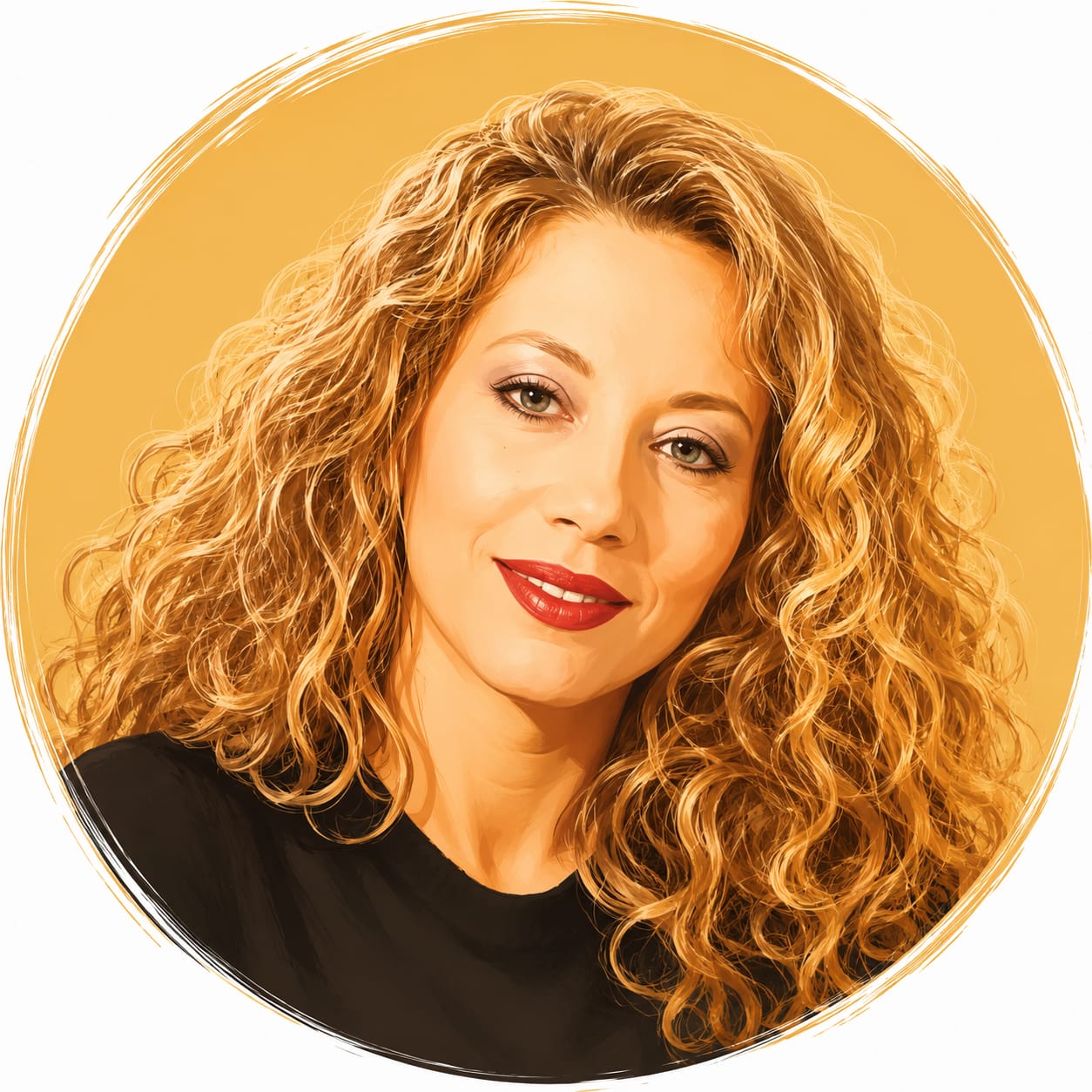
Biography
Chava Alberstein was born in Szczecin, Poland, in 1946 and immigrated to Israel with her family as a small child, growing up in Kiryat Haim. She is one of the most important and prolific singers in Israeli history, with dozens of albums spanning more than five decades.
In October 1973, weeks into the Yom Kippur War, she recorded Naomi Shemer's new song 'Lu Yehi'. Her restrained, aching performance — a prayer rather than a victory march — captured exactly what the country felt, and her version became the definitive one, sung in Israel ever since.
Alberstein is also the great guardian of Yiddish in Israeli culture: alongside her Hebrew work she recorded entire albums in Yiddish, the language of her childhood home, keeping it alive for new generations.
Her voice runs through every chapter of Israeli life — folk revival, protest songs, children's classics, and collaborations with virtually every major Israeli songwriter, from Naomi Shemer to Yoni Rechter and Shalom Hanoch.
The words and music of 'Lu Yehi' were written by Naomi Shemer, 'the first lady of Israeli song' (1930–2004), in October 1973. Shemer first set the text to the Beatles' 'Let It Be'; her husband Mordechai Horowitz, called up to the front, insisted the song deserved an original Israeli melody — and she composed one overnight.
Quick facts
- Born
- Szczecin, Poland, 1946
- Immigrated
- To Israel as a child, raised in Kiryat Haim
- This song
- Recorded weeks into the 1973 Yom Kippur War
- Also sings in
- Yiddish — a lifetime bridge between cultures
- Written by
- Naomi Shemer (1930–2004), words & music
Songs by Chava Alberstein with Hebrew lyrics
Culture quiz: Chava Alberstein & Israel
Test what you know about Chava Alberstein, the song's Hebrew words and Israeli culture.
Chava Alberstein's 1973 recording of 'Lu Yehi' became the sound of which moment in Israeli history?